When Should the Keynote Speaker Speak?
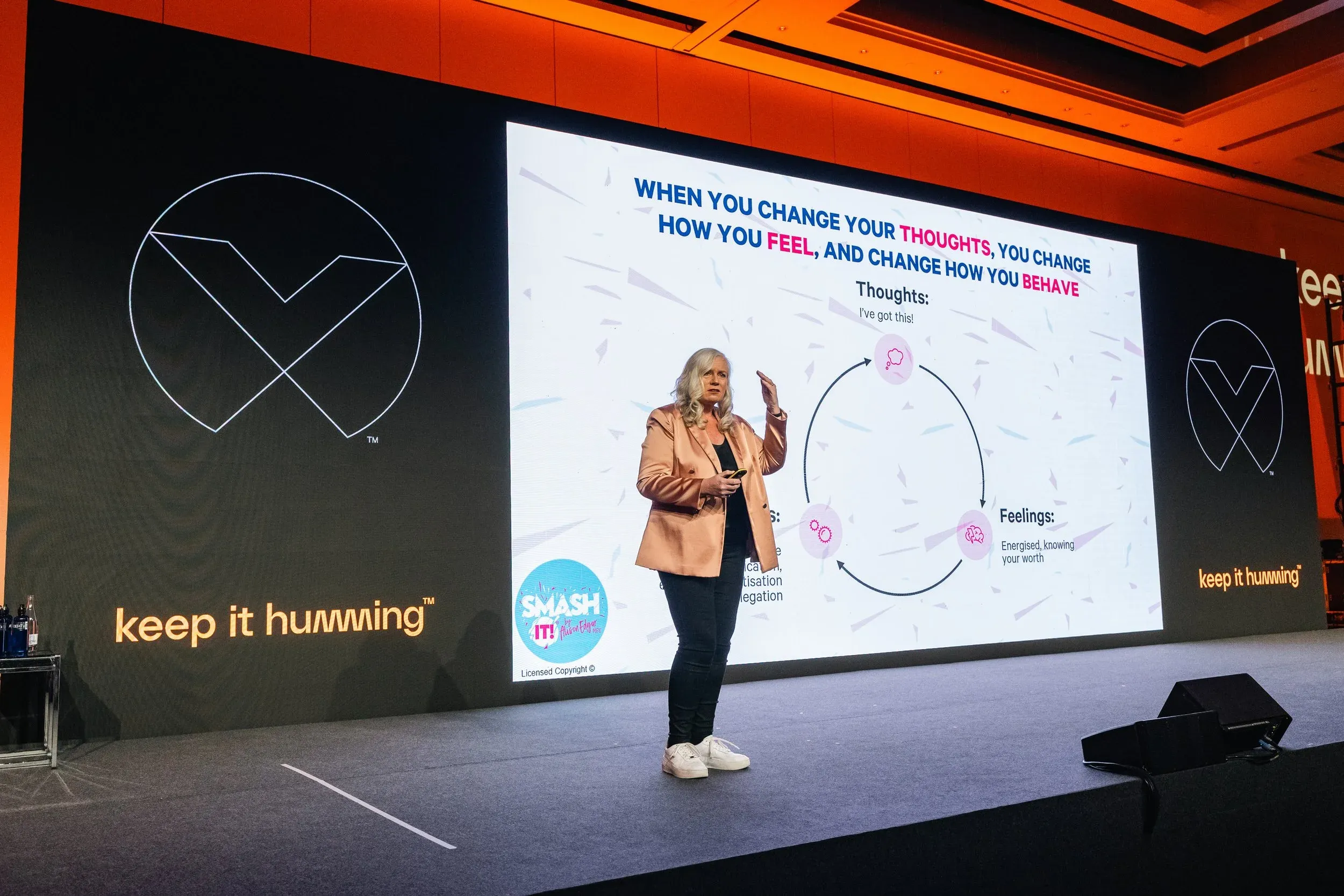
There is no universally right slot, but there is a right slot for your objective. An opener sets the tone, a closer sends people out on a high, and a mid-day keynote rescues the post-lunch dip.
Choosing the right moment for a keynote speaker to take the stage can significantly impact the flow and energy of an event. Whether you’re organising a conference, seminar, or corporate gathering, the timing of the keynote address is crucial for maximising its impact on the audience.
So, when exactly should the keynote speaker speak?
As an opener:
Picture this: The attendees have just settled into their seats, perhaps a little groggy from the morning rush. This is the perfect moment to kick-start the event with a powerful keynote address. By placing the keynote at the beginning, you invigorate the audience, setting a dynamic tone for the day ahead. The speaker can weave key themes throughout their presentation, laying the groundwork for what’s to come and keeping the audience engaged and attentive.
As a closer:
After a day filled with sessions, workshops, and networking, there’s nothing quite like ending on a high-note. Closing the event with a keynote speaker allows delegates to leave with a renewed sense of inspiration and motivation. It’s a chance to tie together the key takeaways from the day, leaving a lasting impression on the audience as they depart. The right closing keynote can leave attendees feeling energised, empowered, and ready to take action.
Mid-day:
Sometimes, the energy of an event can start to wane as the day progresses. This is where strategically placing the keynote speaker in the middle of the day can work wonders. By breaking up the schedule with a captivating keynote address, you re-energise the audience, providing a boost of motivation to carry them through the rest of the day. It’s a refreshing pause that can reignite enthusiasm and focus, ensuring that attendees remain engaged and attentive for the duration of the event.
The timing of the keynote speaker’s address can make all the difference in the success of your event. Whether you choose to open with a bang, close with a flourish, or re-energise in the middle, each option offers unique benefits for engaging your audience and delivering a memorable experience. So, next time you’re planning an event, consider when the keynote speaker should speak, and watch as their words captivate and inspire your audience.
Alison Edgar MBE is a great addition to an event, with her upbeat delivery style and actionable takeaways, she can inspire any audience to take action and improve their lives.
Common questions
When should the keynote speaker be scheduled?
It depends on the objective. An opener sets the tone for everything that follows, a closer sends people out on a high, and a mid-day slot is the most reliable way to rescue the post-lunch dip.
Is it a mistake to put the keynote last?
Not at all, provided the day builds towards it. The risk is a thinning audience if people leave early, so a closing keynote works best when the agenda has been designed to hold the room.