The Gender Pay Gap in Professional Speaking
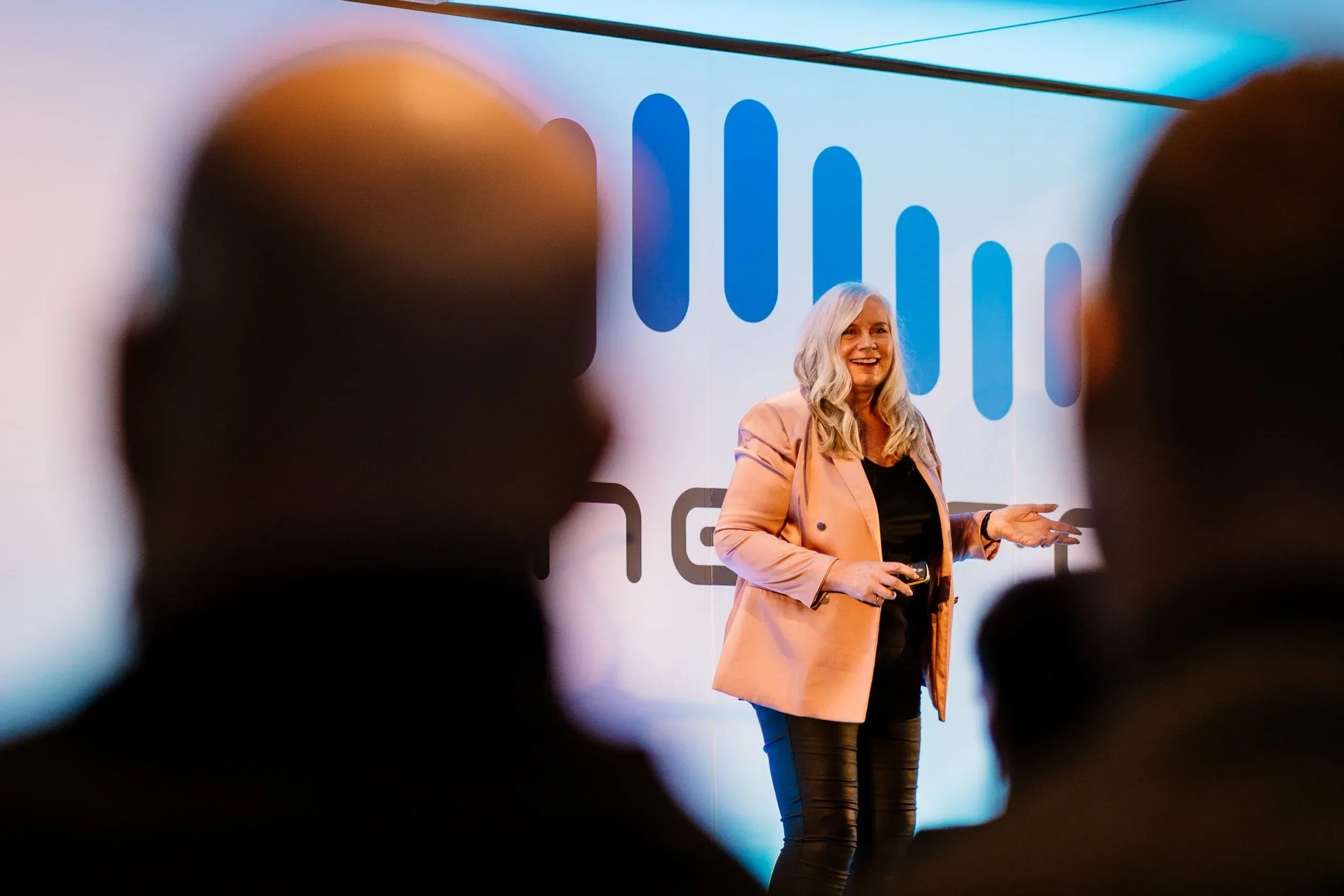
Male speakers in the UK average £6,029 per booking and female speakers £5,248. Men earn 15% more per booking, and where speakers are booked on profile the difference reaches 27%.
How big is the gender pay gap in speaking?
The 2025 Speaker Industry Research surveyed 250 UK speaker bookers who had booked in the previous 24 months. The difference in average fee came to £781 per booking.
For one-off, high-value contracts, £781 compounds quickly. A speaker doing thirty dates a year is £23,000 apart from a male counterpart doing the same number.
There are two ways to express that, and the difference matters. As a share of women’s fees, men earn 14.9% more. As a share of men’s fees, which is how the Office for National Statistics measures the national gender pay gap, it is 13.0%. On that like-for-like basis the speaking industry sits almost exactly on the national figure of 13.1% for 2024.
The headline gap, in other words, is ordinary. What is not ordinary is how it behaves by topic.
Which topics have the widest gap?
The gap is not evenly spread. It is widest where speakers are booked on profile.
| Topic | Gap |
|---|---|
| Sports success | 27% |
| High performance | 25% |
| AI and digital transformation | 20% |
| Wellbeing and leadership | 15 to 18% |
| Change and sales | 2 to 3% |
Sports success shows the widest difference, with men averaging £6,175 against £4,846 for women. High performance and AI sit close behind. Topic-level figures are based on smaller sub-samples than the headline gap and should be read as indicative.
What those three share is not budget. Sports success is the lowest-paying topic in the survey, at £5,352 on average. What they share is that the speaker’s profile is the product: the achievement, the record or the job title is the content, and the fee follows the name. That is where an unequal market compounds, because recognition was never handed out evenly to begin with.
Where are fees closest to parity?
Change and sales, at a difference of 2 to 3%.
Both are topics where the results are measurable and the buyer can point at a number afterwards. Where value is easier to evidence, the gap closes almost entirely, which suggests the disparity elsewhere has more to do with perceived market value than with delivery.
Why do the extremes matter more than the average?
Averages understate the problem. The revealing figures are where each group tops out, and where it bottoms out.
The highest fee recorded for a male speaker was £9,000. For women it was £6,500. Around one in six male bookings reached £7,000 or more, against none for women, and 61% of women’s bookings sat between £4,500 and £6,000.
The floor tells the same story in reverse. The lowest fee paid to a man was £4,400; the lowest paid to a woman was £2,500. Men’s fees ran from £4,400 to £9,000 and women’s from £2,500 to £6,500, so men are absent from the bottom of the market as well as alone at the top.
That lower ceiling means women have fewer opportunities to set a market benchmark, and benchmarks are what the next quote gets compared against.
What can event organisers do about it?
Three things, all of which cost nothing.
Ask what a shortlist would look like with the gender balance reversed. If the answer is that it would be hard to fill, the shortlist was drawn too narrowly.
Brief on outcome rather than on profile. Specifying what the audience should do differently afterwards produces a different set of names than specifying how well known the speaker should be.
Check your own numbers. If your organisation reports a gender pay gap, the speakers on your stage are part of the picture your people see.
Figures are from the 2025 Speaker Industry Research, an independent survey of 250 UK speaker bookers commissioned by Alison Edgar Ltd in Summer 2025. The full findings include fee data by topic. Alison speaks on this subject as a female keynote speaker and for International Women’s Day.
Common questions
Is there a gender pay gap in professional speaking?
Yes. Male speakers average £6,029 per booking against £5,248 for women, so men earn around 15% more. Measured as a share of male earnings, which is how the ONS calculates the national figure, the speaking gap is 13.0% against a national 13.1%. The gap widens sharply by topic, reaching 27% in sports success.
Which speaking topics have the widest gender pay gap?
Sports success has the widest at 27%, with men averaging £6,175 against £4,846 for women. High performance follows at 25% and AI and digital transformation at 20%. Change and sales sit closest to parity at 2 to 3%.