Why Your Team Says Yes to Change but Doesn't Follow Through
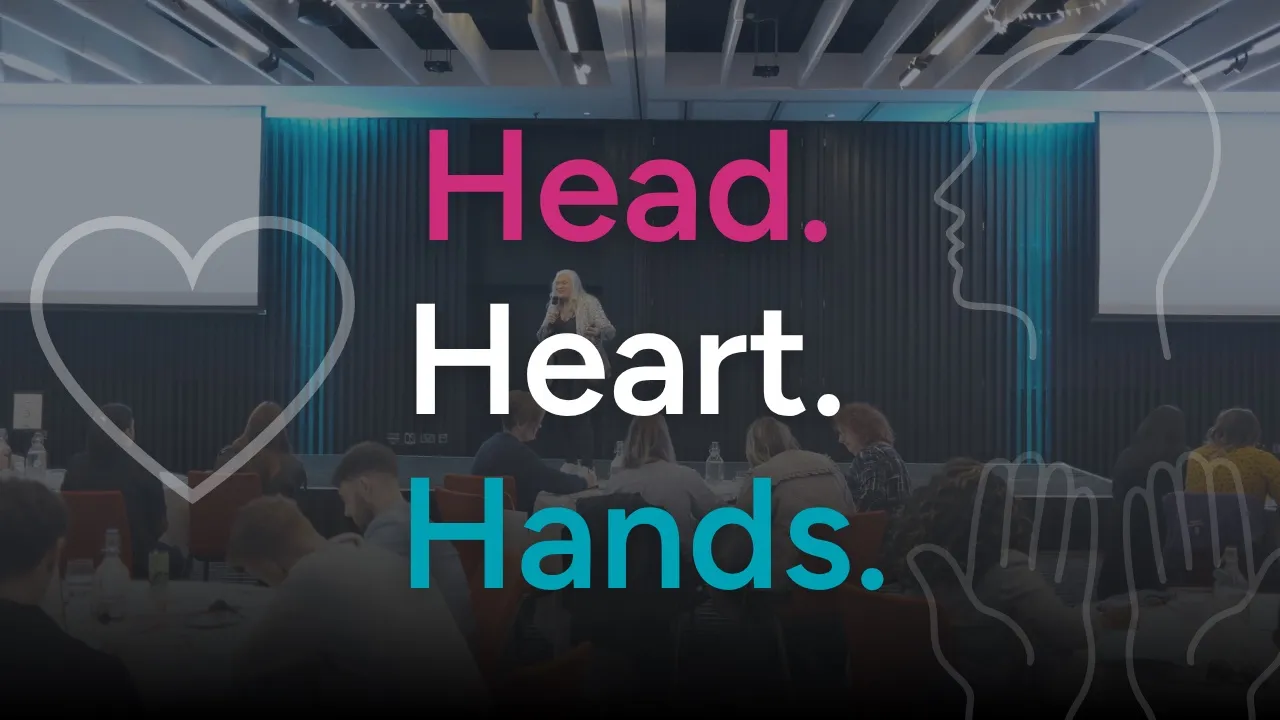
When a team agrees to a change and then carries on as before, it’s usually because one of three things is missing. They don’t understand why, they don’t believe in it, or they can’t do it yet. I call these head, heart and hands, and I learned about all three the hard way.
What happened at Yellow Pages
When I was at Yellow Pages (fifteen years, and yes, I know, I’ve mentioned it once or twice), we were forever changing something. New CRMs, new products, new ways of doing the same old thing, sometimes all in the same quarter, which did wonders for everybody’s blood pressure.
One change I always come back to was the paperwork. Our sales team wrote every order out by hand and worked the prices out on a calculator, and as anyone who has ever added up a restaurant bill after a glass of wine will know, humans and calculators are not always a match made in heaven. Wrong prices went on, customers signed for less than the ad was worth, the forms sat in a queue at order processing, and every so often some poor soul had to get back in the car and drive out to the customer to do the whole thing again. Expensive, slow, and a lovely way to annoy a customer you’d just won.
So the business brought in a new system. The prices filled themselves in, and the customer signed on one of those little ink-roller printers that felt terribly futuristic at the time. Fewer mistakes, faster orders, happier customers. On paper (sorry), it was a no-brainer.
Which brings me to Maureen.
Maureen was brilliant. She nodded in every meeting, she told anyone who’d listen that she really believed in the new system, and if you’d asked me to pick the person most likely to lead the charge, I’d have picked her. Then I’d look at her desk and there was the calculator, and there was the paperwork, exactly where they’d always been.
She wasn’t being awkward and she wasn’t lying, or at least she didn’t think she was. She’d said yes with her mouth, and the rest of her hadn’t caught up. That’s lip service, and almost every team has some.
Why do people say yes to change and then not do it?
I’ve spent the last decade helping organisations get people at every level to think and act like they own the place (intrapreneurship, if you like a long word), and I’ve seen a Maureen in nearly every one of them. Whether it’s a new CRM, a new process or a whole restructure, there are three questions every person in your team is quietly asking.
Head: do I understand why? Does it actually make sense to me, or has it just arrived in my inbox with “exciting news” in the subject line? Maureen had been writing orders by hand for years and, from where she sat, it worked. “We’ve always done it this way” is the sound of a head that hasn’t been given the why.
Heart: do I believe in it? This is the one we skip, because it’s awkward and it involves feelings, and some of us would rather do our tax return. What am I afraid of? What does this mean for me, my job, the bit I’m good at? If you’ve been the best in the office at something for ten years and it’s about to be done by a machine, you’re allowed to feel a bit wobbly.
Hands: can I actually do it? Have I been shown how, and do I have the time to learn it without falling behind on everything else? “We’ve never tried it before” and “I haven’t got time to learn” are hands talking.
Why pushing harder doesn’t work
Here’s the bit that catches leaders out. The yes you hear sounds exactly like commitment. Underneath, the head doesn’t get it and the heart doesn’t trust it, and so the calculator stays on the desk.
The temptation, especially if you’re a get-it-done kind of leader (I put my hand up), is to push harder. Another email, another deadline, another “just to remind everyone”. It’s like trying to get a car up a hill with the handbrake on by putting your foot down. You make a lot of noise and you don’t go anywhere. Resistance to change shifts when you find the brake and take it off.
How do you spot it in your team?
Next time someone says “yes, absolutely, love it”, ask yourself which of the three you’re actually hearing. Do they get it? Do they believe it? Can they do it? You’ll often find the answer to one of those is “not yet”, and that’s where your work is.
Common questions
Why do people say yes to change and then not do it?
Usually because one of three things is missing. They don't understand why the change is happening (head), they don't believe in it (heart), or they can't do it yet because they haven't been shown how or haven't got time to learn (hands). The yes sounds like commitment, but it's lip service.
What are head, heart and hands in change management?
Head, heart and hands are the three questions every person asks about a change, in Alison Edgar's framing. Head: do I understand why? Heart: do I believe in it, and what does it mean for me? Hands: can I actually do it? A gap in any one of the three stops the change sticking.
Why doesn't pushing harder overcome resistance to change?
Because more emails, deadlines and reminders don't fill a gap in understanding, belief or ability. Alison Edgar compares it to driving uphill with the handbrake on: you make a lot of noise and go nowhere. Resistance shifts when a leader finds which of head, heart or hands is missing and fixes that.